
To schedule a free phone consult please follow the link here

One Thing You Can Start Doing Right Now to Improve the “S” Sound
If your child struggles with the S sound, you’re not alone—and you don’t need flashcards, worksheets, or long practice sessions to help. One small change in how you model the sound throughout the day can make a big difference.
In this blog, you’ll learn why the S sound is tricky for many children and how clearly showing the correct mouth shape during everyday moments can support clearer speech naturally at home.
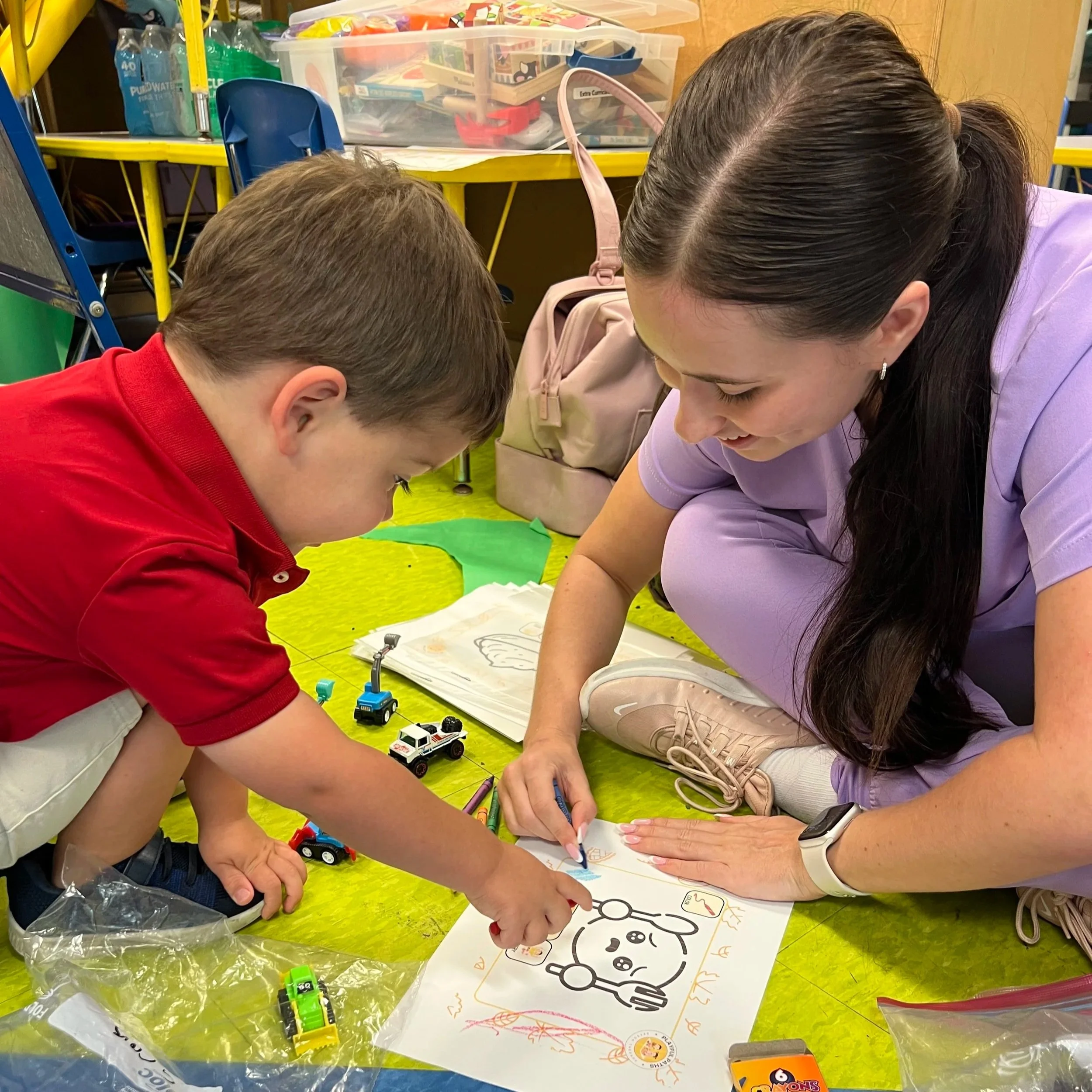
Model the S mouth shape clearly and consistently
If you’re wondering how to help your child with the S sound, this blog is for you.
You don’t need special materials or extra practice time. One small, meaningful change can make a big difference: modeling the S mouth shape clearly and consistently throughout the day.
Below, you’ll find a simple guide to:
Understanding why S is hard
Showing your child what the sound should look like
Using everyday moments to support clearer speech
Why the “S” sound is tricky
The S sound is a high-precision sound. It requires:
The tongue to stay inside the mouth
The sides of the tongue to lift slightly
The airflow to travel straight down the center
The teeth to be close together (but not clenched)
The lips to stay relaxed, not rounded
That’s a lot of coordination for a small mouth.
Many children produce a distorted S because they don’t know what the sound should look like. They hear it, but they can’t see it.
Speech is motor learning.
Motor learning needs clear visual models.
What “modeling the S mouth form” means
Modeling doesn’t mean correcting your child every time they miss the sound. It doesn’t mean saying “no, say it like this.”
It means you become the best example in the room.
When you say an S sound, you intentionally:
Keep your teeth gently together
Pull your tongue back behind your teeth
Smile slightly so the lips stay flat
Let the air flow smoothly
And you let your child watch your mouth.
This is especially powerful for children who are:
Visual learners
Late talkers
Autistic or neurodivergent
Working on articulation alongside motor planning challenges
What this looks like in real life (no drills required)
You don’t need a “speech time.” You just weave it into what you’re already doing.
During play:
“Look at the sun.”
“That’s a snake.”
“The car goes so fast.”
Say the S sound slowly and clearly, just slightly longer than usual.
Not exaggerated. Just intentional.
During routines:
“Let’s put on your socks.”
“Time to wash hands.”
“Here’s your spoon.”
You’re not asking them to repeat it. You’re giving their brain a clean example to map.
Why this works (and why ASHA supports it)
According to the American Speech-Language-Hearing Association (ASHA), children learn speech sounds through repeated exposure to accurate models in meaningful contexts.
ASHA emphasizes:
Naturalistic learning
Parent coaching and carryover
Modeling over prompting
Reducing pressure to perform
When children see the correct mouth shape again and again, their brains begin to:
Build motor plans
Refine airflow control
Self-correct over time
This is how speech develops outside the therapy room.
A quick note about lisps
If your child sticks their tongue forward for S (a frontal lisp), modeling is especially important.
Instead of saying:
“Keep your tongue in!”
You show them:
Teeth together
Tongue hidden
Air straight
Children learn far more from what they see repeatedly than from what they’re told once.
Don’t force repetition
Don’t say “that’s wrong”
Don’t overcorrect every attempt
Don’t turn it into a drill
Pressure can disrupt motor learning.
Progress comes from safety and consistency, not perfection.
What NOT to do (this matters)
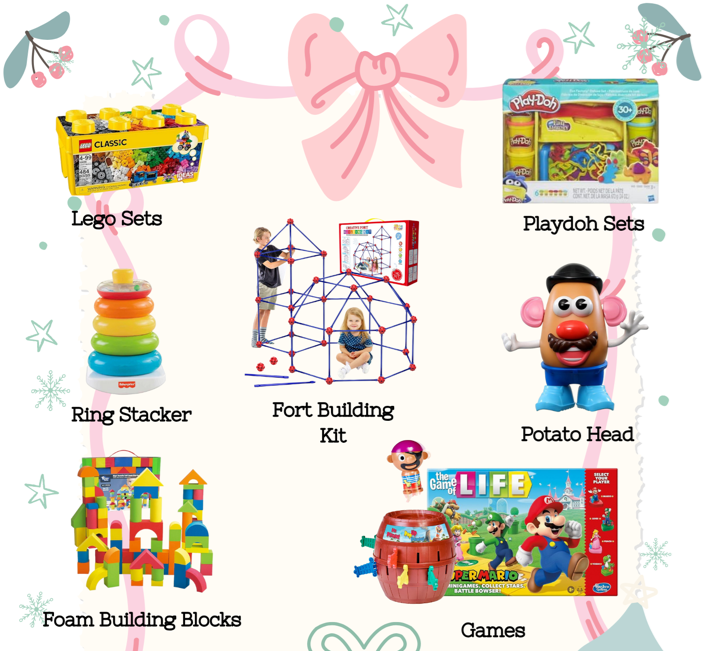
See our page of SLP reviewed and approved toys, books, and more!
How often should you model?
Aim for:
Short, frequent exposure
Across the day
In real moments
Think dozens of clear models, not one long practice session.
If your child is in speech therapy, this supports their goals beautifully. If they’re not, this still builds a strong foundation.
The takeaway
If you do nothing else this week, do this:
Let your child see a clean, calm, correct S sound, over and over again.
Speech doesn’t grow from pressure. It grows from patterns.
And you are already the most powerful model your child has.
References
American Speech-Language-Hearing Association. (n.d.). Speech sound disorders in children.
https://www.asha.org/practice-portal/clinical-topics/articulation-and-phonology/
American Speech-Language-Hearing Association. (n.d.). Coaching parents to foster their child’s expressive language skills.
https://leader.pubs.asha.org/do/10.1044/coaching-parents-to-foster-their-childs-expressive-language-skills
American Speech-Language-Hearing Association. (n.d.). Evidence-based practice in speech-language pathology. https://www.asha.org/research/ebp/
Bowen, C. (n.d.). The /s/ sound. Speech-Language-Therapy.com.
https://speech-language-therapy.com/index.php?option=com_content&view=article&id=18:s