To schedule a free phone consult please follow the link here

Unlocking Your Child’s Voice: The Family Empowerment Scholarship for Unique Abilities (FES-UA) and Speech Therapy Support in Florida
Florida families don’t have to choose between support and affordability. Learn how the Family Empowerment Scholarship for Unique Abilities (FES-UA) can help fund speech therapy and give your child the tools to thrive.
In the world of parenting, communication doesn’t always unfold the way we expect. Some days it feels like progress comes in tiny steps; other days, a single new word can change everything. If your child is working through a speech delay or communication challenge, you already know how much these moments matter. And you know how powerful the right support can be.
For families dealing with speech impairments or delays, access to quality therapy can make all the difference. That’s where Florida’s Family Empowerment Scholarship for Students with Unique Abilities (FES-UA) comes in. Administered by Step Up For Students, this program empowers parents to customize their child’s education, including funding specialized services like speech therapy.
In this blog, we’ll explore how FES-UA works, why it’s a game-changer for speech concerns, and spotlight Playful Paths Speech Therapy as an approved provider. We’ll also guide you on how to leverage this scholarship to help your child thrive.
What is the FES-UA Scholarship?
The FES-UA is part of Florida’s broader choice scholarships, designed specifically for students with unique abilities or disabilities. Unlike general education programs, it recognizes conditions like speech impairments as qualifying “unique abilities.” According to the program’s handbook, speech impairment includes disorders in speech sounds, fluency, or voice that impact communication and educational performance, provided they’re not due to cultural, linguistic, or age-related factors.
Eligibility starts with documentation from a licensed physician or psychologist confirming the unique ability. Families apply through the Education Market Assistant (EMA) portal, uploading required documents like proof of residency and the child’s diagnosis. Once approved, funding is based on a matrix of services, often ranging from $7,000 to $10,000+ annually, prorated quarterly. Funds roll over with limits, and interest accrues on unused amounts, helpful for long-term therapy planning.
Students cannot be enrolled in public school (except voluntary pre-K in specific cases), making FES-UA a strong fit for home-educated or privately supported learners.
So who exactly qualifies for this scholarship? The handbook outlines a wide range of unique abilities that make children eligible.
Qualifying Diagnoses for the FES-UA (Unique Abilities) Scholarship According to the FES-UA Parent Handbook, a student must have an IEP or a validated diagnosis identifying one of the conditions listed in Appendix A.
The eligible diagnoses include (full list from Appendix A):
Anaphylaxis
Autism Spectrum Disorder
Cerebral Palsy
Down Syndrome
Emotional or Behavioral Disability
Hearing Impairment
High-Risk Child
Hospital or Homebound
Intellectual Disability
Language Impairment
Muscular Dystrophy
Orthopedic Impairment
Other Health Impairment (includes ADHD, epilepsy, Tourette syndrome, etc.)
Phelan-McDermid Syndrome
Prader-Willi Syndrome
Rare Diseases
Specific Learning Disability
Speech Impairment
Spina Bifida
Traumatic Brain Injury
Visual Impairment
Williams Syndrome
Why So Many UA-Eligible Students Also Use Speech and Language Therapy
Many of the diagnoses that qualify a child for the FES-UA scholarship also come with communication needs. It’s not unusual. It’s not unexpected. It’s simply part of how these conditions show up in daily life.
Autism. Language impairment. Down syndrome. Traumatic brain injury. Hearing impairment. These are just a few examples from the UA eligibility list, and each can affect how a child understands language, uses words, interacts socially, or produces speech sounds. Support in these areas can make learning feel easier and communication feel more natural.
Speech impairment is also listed as its own qualifying category in the handbook. It’s defined as difficulty with speech sounds, fluency, or voice that interferes with communication. When that’s the diagnosis, speech therapy is already part of the plan.
Because the UA scholarship allows families to use funds for “specialized services,” and speech-language pathology falls squarely into that category, families can apply their scholarship dollars toward therapy that helps their child communicate, participate, and grow.
Why FES-UA Is Perfect for Addressing Speech Therapy Concerns
Speech and language therapy isn’t just about improving articulation or clarity. It builds confidence, social skills, and independence. FES-UA explicitly covers speech-language pathologist (SLP) services under “specialized services,” provided by licensed therapy providers. Listening and spoken language specialist services are also included, giving families broad support options.
For parents, this means flexibility: you can choose providers, design therapy schedules around your family’s needs, and use funds for direct pay or reimbursement.
Highlights on Speech Therapy in the FES-UA Scholarship
Speech Impairment as a Qualifying Diagnosis
The handbook defines speech impairment as a disorder in speech sounds, fluency, or voice that interferes with communication and affects educational performance. It must require specialized education and cannot be primarily due to age, culture, dialect, or limited English proficiency.
How Families Pay for Speech Therapy Through UA
Families can choose the payment method that works best for them.
1. Direct Billing Through EMA Marketplace (Most Common)
Go to “Find Providers” in EMA
Select therapy services from an approved provider
Funds are reserved upfront
No out-of-pocket cost
2. Reimbursement
Families may pay first and request reimbursement by uploading:
Proof of payment
An itemized invoice
Documentation showing the service meets educational needs
“If the provider… has not already been approved in EMA, reimbursement requests should include documentation of their credentials.”
Playful Paths Speech Therapy is already approved with Step-Up, so no credential uploads are required. Book now by selecting a date for your consult on the bottom of this page!
3. Advance Services
Families may prepay for upcoming therapy sessions and submit for reimbursement, when eligible.
Spotlight on Playful Paths Speech Therapy: A Step Up Approved Provider
What sets Playful Paths apart:
Full invoicing and scholarship support
Consistent day/time scheduling
Same therapist for each appointment
Play-based, child-led therapy
AAC expertise
Early communication and language development
Autism and sensory-focused communication support
Childhood apraxia of speech (CAS)
Parent coaching to support communication during daily routines
Evaluations, in-home therapy, telehealth, and team collaboration
One standout option for FES-UA families is Playful Paths Speech Therapy, a mobile pediatric practice fully approved as a Step Up For Students provider. Based in West Central Florida, they serve areas including Pinellas, Hillsborough, Manatee, Pasco, Polk, and Sarasota counties, bringing therapy directly to homes, schools, and daycares.
By accepting FES-UA funds, Playful Paths makes high-quality, child-centered therapy accessible without upfront costs.
How Parents Can Use FES-UA to Fund Speech Therapy
Here’s a step-by-step guide based on your original sample:
1. Check Eligibility and Apply
Apply through the EMA portal. Upload your child’s diagnosis and residency documents.
2. Accept the Award
Funds are deposited quarterly after acceptance.
3. Choose a Provider Like Playful Paths
Search the EMA Marketplace for approved SLP providers and contact Playful Paths to schedule.
4. Spend Funds Wisely
Use direct pay or reimbursement. For reimbursements, ensure invoices show the educational purpose of therapy.
5. Monitor Progress
Incorporate therapy goals into a Student Learning Plan (SLP) if using home education.
At Playful Paths, we also provide SOAP notes after every session, so families always know what happened in therapy and how their child is progressing.
SOAP notes outline:
S – Subjective: How your child appeared that day (mood, regulation, engagement).
O – Objective: What skills were targeted, and what your child did during the session.
A – Assessment: The therapist’s interpretation of progress, challenges, or emerging skills.
P – Plan: What comes next, upcoming targets, strategies to support at home, and any adjustments based on your child’s needs.
These notes give you a clear picture of growth over time and help keep therapy, home routines, and scholarship goals aligned.
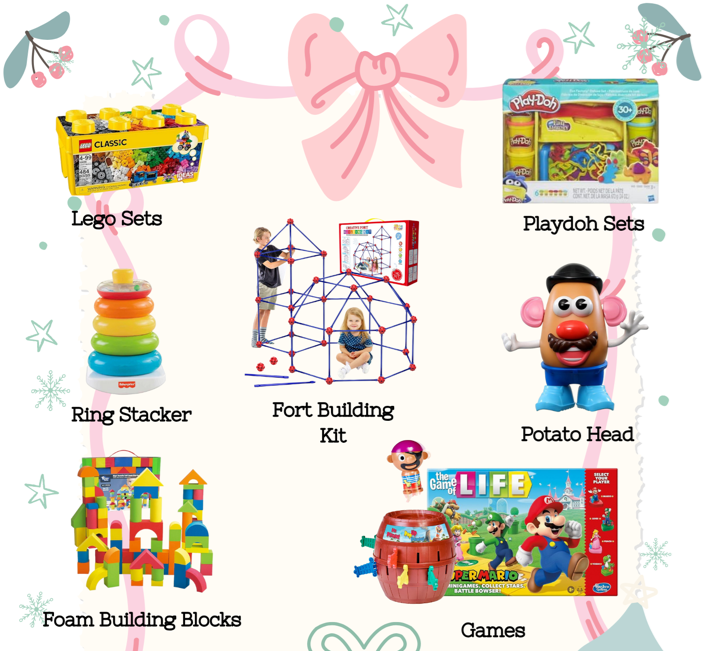
See our page of SLP reviewed and approved toys, books, and more!
Final Thoughts: Empower Your Child’s Journey
The FES-UA scholarship isn’t just financial assistance; it’s a pathway to personalized support that can transform speech challenges into strengths. With an approved provider like Playful Paths Speech Therapy, families can access high-quality speech and language services designed around their child’s unique needs.
If you have questions about whether your child qualifies, or how to use UA funds for therapy, our team is always here to help.
References
Step Up For Students. (n.d.). Family Empowerment Scholarship for Students with Unique Abilities parent handbook.
https://go.stepupforstudents.org/hubfs/HANDBOOKS/Parent%20Handbooks/FES-UA-Parent-Handbook.pdf