
To schedule a free phone consult please follow the link here

3 Things You Can Do to Improve Your Child’s Success in Speech Therapy
Speech therapy can feel mysterious from the outside. You drop your child off or sit beside them, watch them work hard for 30 or 45 minutes, and then you’re sent back into real life wondering: Are we doing enough? Are we doing this right?
The truth is that speech therapy isn’t powered by one perfect session a week. It’s powered by consistency, carryover, and emotional safety. And parents play a much bigger role in that than most people realize.
You don’t need to be an expert. You don’t need fancy materials. You don’t need to push or pressure or constantly correct.
Here are three things that truly matter, and why they work.
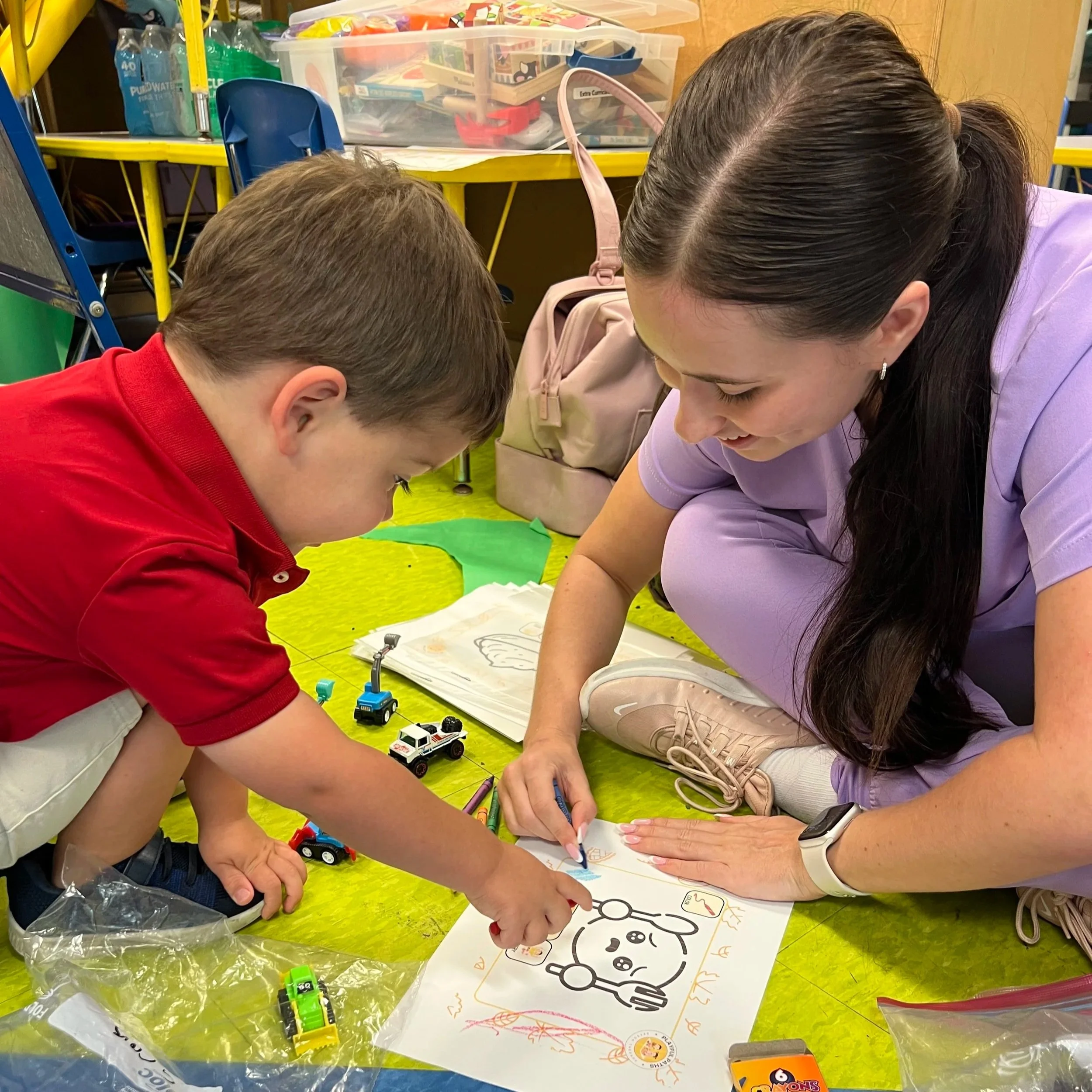
1. Attend Every Appointment You Can
Consistency is one of the strongest predictors of progress in speech therapy.
When children attend therapy regularly, they build more than skills. They build familiarity with the routine, comfort with the therapist, and trust in the process. Therapy stops feeling like something unpredictable and starts feeling safe.
For many children, especially those who are anxious, autistic, or still developing regulation skills, safety matters as much as the instruction itself.
Example:
Imagine a child who takes the first 10 minutes of each session just to settle in. If sessions are missed frequently, that “warm-up” phase keeps repeating, and actual learning time shrinks. But when therapy is consistent, the child walks in knowing what to expect, and learning can begin sooner.
Even when progress feels slow, regular attendance keeps the foundation intact. Speech and language skills build gradually, often beneath the surface, before families notice a visible change.
If possible:
Schedule therapy at a consistent day and time
Treat it like a standing commitment rather than a flexible one
Communicate early if you need to reschedule
Showing up matters, even on the weeks that feel quiet.
2. Do the Homework and Follow Up
Speech therapists don’t send homework because they expect parents to “fix” speech at home. They send it because language only sticks when it’s used outside the therapy room.
Carryover is where progress lives.
Homework might look like:
Modeling a few words during play
Practicing a sound during a familiar routine
Encouraging a communication attempt during snack or bath time
These activities are meant to be short, natural, and flexible.
Example:
If your child is working on requesting, the therapist might suggest modeling “help” or “open” during daily routines. That doesn’t mean asking your child to repeat the word over and over. It might look like you saying, “Help” as you open a container, or pausing expectantly before assisting.
Five minutes during real life often does more than twenty minutes of forced practice.
The goal is exposure, not perfection.
If something feels hard at home, that’s not a failure. That’s information. Let the therapist know what worked, what didn’t, and what your child resisted. Therapy should adjust to the child, not the other way around.
3. Don’t Pressure Your Child to Perform Words or Phrases They Aren’t Confident In
This is one of the most important and most misunderstood pieces of speech development.
When children are pressured to “say it,” “try again,” or “use your words” before they’re ready, communication can start to feel risky. And when communication feels risky, many children shut down, avoid, or stop trying altogether.
Speech grows best in low-pressure environments where attempts are welcomed, not evaluated.
Example:
If your child says “wa” for water, correcting them with “No, say water” might seem helpful. But for many children, especially those still building confidence, that correction sends the message that their attempt wasn’t good enough.
Responding with “Water! Here’s your water” reinforces the correct model without demanding performance.
This matters even more for children who:
Use AAC or signs
Speak in approximations
Are selective about when they talk
Are still building motor planning for speech
Communication doesn’t have to be perfect to be meaningful.
Honoring your child’s current level builds trust. Trust leads to confidence. Confidence leads to more attempts.
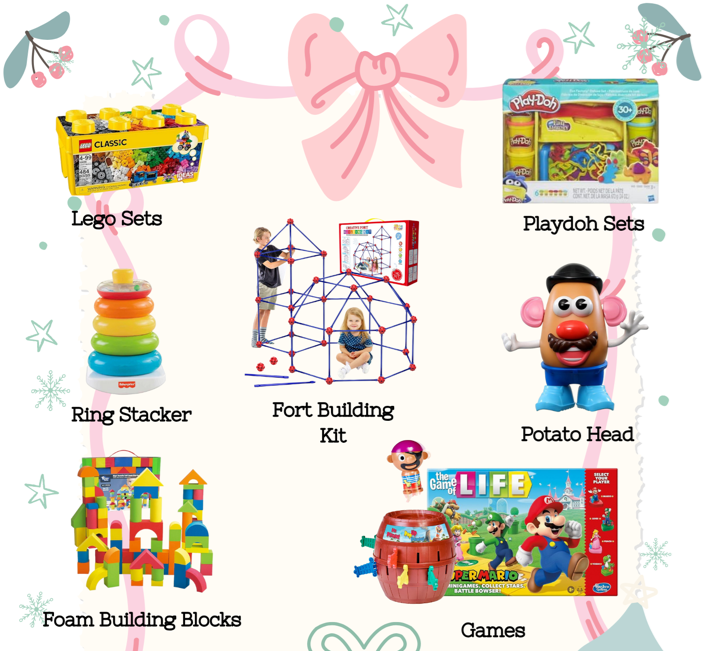
See our page of SLP reviewed and approved toys, books, and more!
Bringing It All Together
Speech therapy works best when everyone is working together, gently and consistently.
Attending sessions builds stability. Following up at home supports carryover. Reducing pressure protects your child’s willingness to communicate.
Progress doesn’t always show up as new words right away. Sometimes it shows up as more eye contact, longer attempts, clearer intent, or fewer shutdowns. Those changes matter.
Your role isn’t to push speech forward. Your role is to make communication feel safe, supported, and worth trying again tomorrow.
And that is more than enough.
References
American Speech-Language-Hearing Association. (n.d.). Care-partner / family-centered care framing
https://www.asha.org/practice-portal/resources/focusing-care-on-individuals-and-their-care-partners/
American Speech-Language-Hearing Association. (n.d.). Speech sound disorders in children.
https://www.asha.org/practice-portal/clinical-topics/articulation-and-phonology/
American Speech-Language-Hearing Association. (n.d.). Augmentative and alternative communication (AAC).
https://www.asha.org/practice-portal/professional-issues/augmentative-and-alternative-communication/